
The World Cup is over and, contrary to the cries of doom that were sounded for months throughout the rest of the world, ‘twas a grand party and a good time was had by all (unless you were one of the unfortunates who got scammed with fake tickets). Admonitions were everywhere. American stadiums can’t handle world-class futbol. Local transportation will be inadequate. There won’t be enough hotel rooms. And so on. Perhaps most stridently, visitors won’t be able to stomach American food; there’ll be nothing to eat.
Well, hold the ketchup and pass me the barbecue sauce.
I have eaten in fancy restaurants, and mall courts, and fast food joints, and had street food all over the world, and I can tell you that a lot of the supposed differences between the basic foods of other countries and the food in the US is balderdash (as opposed to Door Dash, the equivalent of which is hard to find in many places overseas). Roast beef in England is still roast beef. A pork cutlet in Germany is still a pork cutlet. Noodles in Singapore are noodles here, and a shrimp on the barbie in Australia is no different from a shrimp on the grill in the US.
What is different are the spices and methods of cooking. English roast beef tends to be — bland. Come to think of it, most English cooking tends to be bland. Unless it’s prepared as schnitzel, that German pork cutlet has little flavor.
That’s why so many visitors, especially from Europe and European-colonized countries, found basic American dishes such a surprise. We liked our food seasoned, be it a sauce or a sparerib. Also, there is a difference between seasoned and hot. It’s easy to do hot. Just dump red pepper all over everything. It’s all about seasoning and how food is cooked.
Europeans love everything ‘fresh.’ So do Asians. But to many Americans, that kind of fresh translates to ‘uncooked.’ Visitors who were overcome by the flavor of American barbecue were shocked to learn that much of it uses nothing but salt and pepper — but is cooked for hours and hours, at a certain temperature, and over wood. You don’t find that elsewhere. People don’t want to take the time.
More than anything it was the ordinary food that surprised our guests. Not food from L’Cirque in New York or the French Laundry in California or Commander’s Palace in New Orleans. It was food that we take for granted and eat all the time. Comfort food.
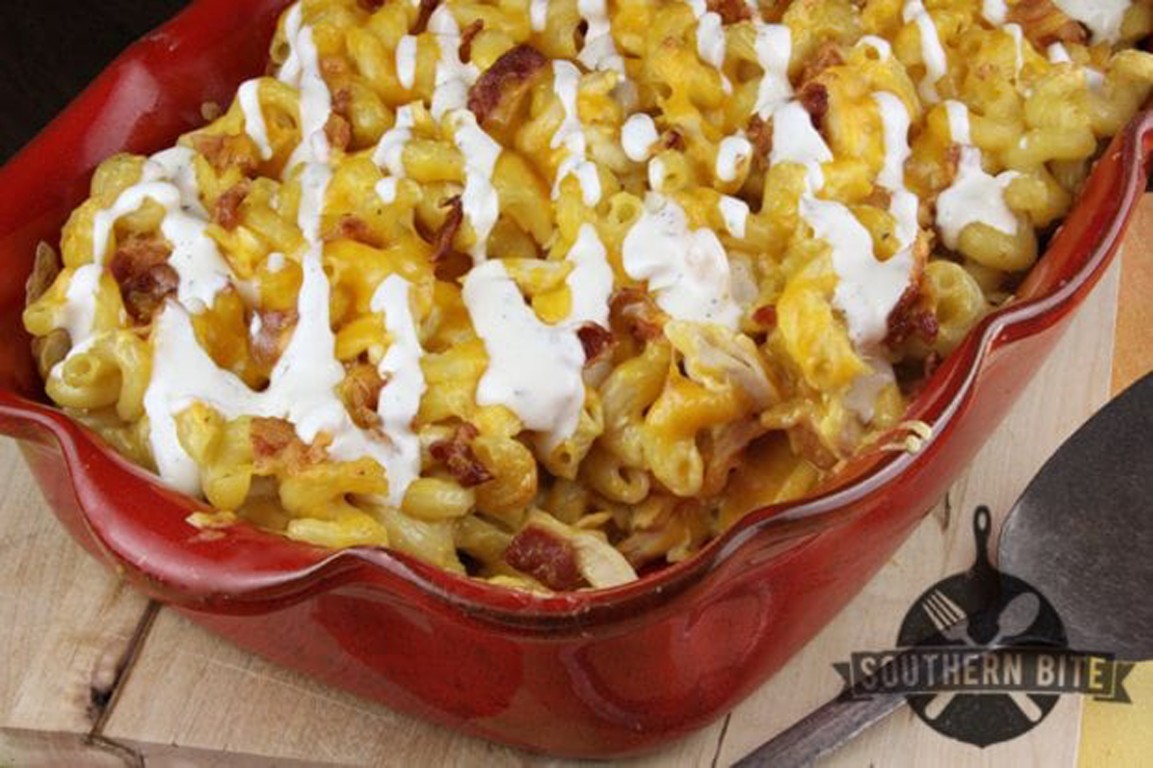
Mac n’ cheese. American-style pizza (I’ve had it both here and in Italy and frankly, I’ll argue with anyone that it’s better here). Fried chicken that’s actually crisp on the outside and moist on the inside. Serious cuts of steak. Catfish. Pancakes and waffles (American hosts had to explain to visitors that you put butter and syrup on a waffle before you eat it). Visitors were absolutely gobsmacked by the fact that most restaurants offer free refills on soda, tea and coffee.
We take all this for granted. It’s part of our national nutritional zeitgeist. But in other parts of the world a menu from Waffle House might as well have come from Mars.
I’m not saying our comfort food is better than everyone else’s (well, maybe a little). Street food in Brazil often features delicious seafood, that in India wonderful chapati, and even roast guinea pig in Peru (okay, not my favorite, but I had it roasted when I should have had it in a stew). Fish and chips in Britain, especially on the coast. Bofrot in Ghana (think Indian fry bread). Biltong in South Africa (jerky).
I always suggest trying local comfort food when traveling. Fancy cooking is often similar everywhere. Yes, it can entail a risk. Bu you can get just as sick on street food in the US. The only reports I’ve seen of World Cup visitors getting sick here is from overeating. Our portion sizes flabbergast them, and the doggy bag seems to be a wholly American concept.
When traveling overseas I never once had to leave food behind because there was too much of it. We are well and truly spoiled. You can get American-style portions, but you have to pay extra for it. I remember having lunch at a Gordon Ramsay restaurant at Heathrow airport, asking for a little extra butter for the roll that came with the meal, and being charged for it. That kind of add-on would close a restaurant here.
Lest we forget, there was that ne plus ultra of American condiments, which has apparently made addicts of half of Europe: ranch dressing. Safer than bombs, more effective than tariffs, more all-consuming than immigration laws. Ample videos of Europeans and others striving to smuggle bottles back home.
Don’t use the stuff myself. National tastes can be weird.
Prescott resident Alan Dean Foster is the author of 130 books. Follow him at AlanDeanFoster. com.


