
When someone says the word “summer” to you, what do you think of? Baseball? Picnics? Concerts on the courthouse plaza?
In my large Cherokee family in Oklahoma, it was gardening. Cherokee history is rooted in agriculture, particularly the cultivation of corn, beans, and squash (the “Three Sisters”) for thousands of years in the southern Appalachians. Cherokee women were the primary farmers, growing extensive cornfields and small gardens. This strong agrarian tradition was central to our culture, economy, and spiritual beliefs. The name for corn, selu, was also the name of the First Woman in our creation stories.
My mother thought nothing of putting 80 tomato plants in the family garden, along with beans, corn, peppers, carrots, squash, pumpkins and sunflowers. Ten percent was put in for the rabbits and other neighborhood critters, and the remainder was frozen, canned or dried for use till the following year. The kids picked wild berries, peaches and apples, and the entire family was involved in canning tomatoes, assembly-line style.
I can still be found in my backyard garden in the early morning hours, brushing off the dirt and having a breakfast.
So when I got a call from the Cooperative Extension office in Prescott asking if I would mentor a Yavapai woman as a Master Gardener, I accepted immediately! Did she have a history of gardening? No. Experience selecting plants? Nope. She was driven by the health disparities that exist between non-Native and Native people and a goal to revitalize the community garden on the Yavapai Reservation to grow healthier food, thereby positively impacting the health of the tribal community.
The statistics are shocking! US Census Tract data report that the average age of death for Native people vs AZ residents is 56 years vs 76 years. The leading cause of death of US indigenous people is heart disease and myocardial infarction. Next is kidney failure from diabetes. Diabetes in prevalent in Native communities and everyone who goes to the Phoenix Indian Medical Center is screened for diabetes.
My Yavapai friend and I have vowed to do everything we can to reverse this. These were our goals, with some input from tribal members.
• To provide a space for Yavapai Tribal members and their children for community events, gardening, and raising their own produce;
• To grow, harvest and prepare healthier food that is fresher and unprocessed, with less sugar and fat;
• To provide activities for children in a healthy environment where they are working as a team, getting exercise and being away from phones, television and computers;
• To encourage the planning, leadership and the satisfaction of completing a project for the good of families and the Tribe
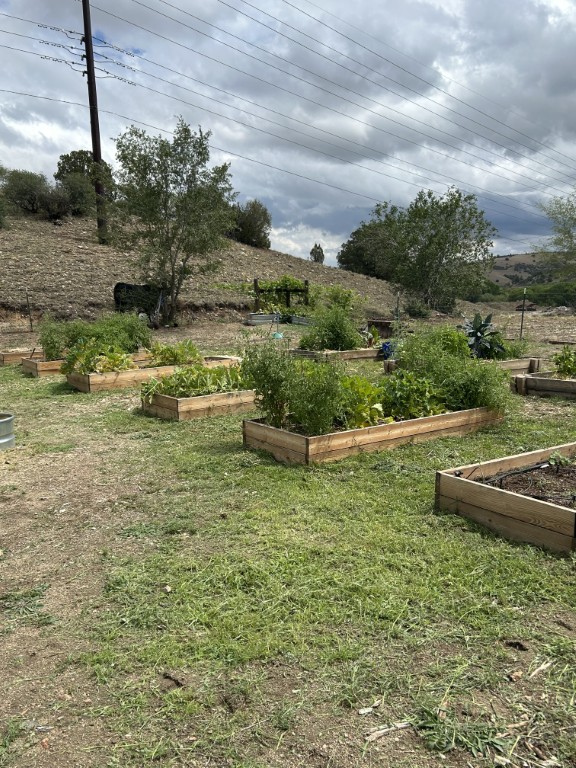
It’s been three years since we started this project. So how are we doing? What was once a weed-filled and neglected space is alive with activity for a community project enthusiastically supported by the Tribe and kind businesses and individuals in this wonderful town.
Master Gardeners, through the UA Cooperative Extension, provided needed input in the planning use of the space and have regular work days at the garden in addition to donating plants. Lowe’s provided $2500 worth of tools, picnic tables, 50 bags of garden soil, several raised beds that now live at some homes of Yavapai elders, and a storage shed.
Improved fencing for the area has been paid for by the Yavapai-Prescott Indian Tribe (because there are deer and elk on the reservation who would look at this area like I was the Golden Buffet). Prescott College students provided labor in setting up garden beds. Prescott Slow Food donated three apple trees. Earl Duque and Ashley Fine donated plants and encouragement.
Trader Joe’s provided snacks and bottled water for workdays. Three REI Managers came for a day to spread mulch. Seeds were provided by Master Gardeners and the Cherokee Nation Seed bank.
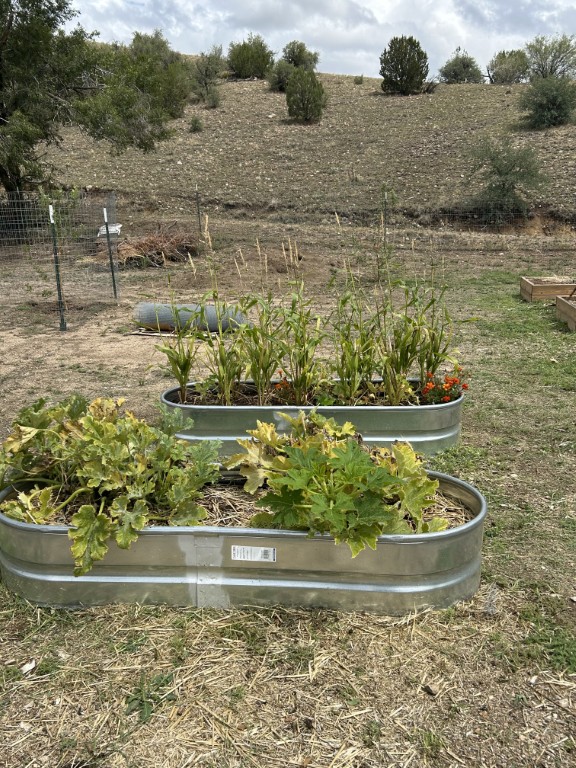
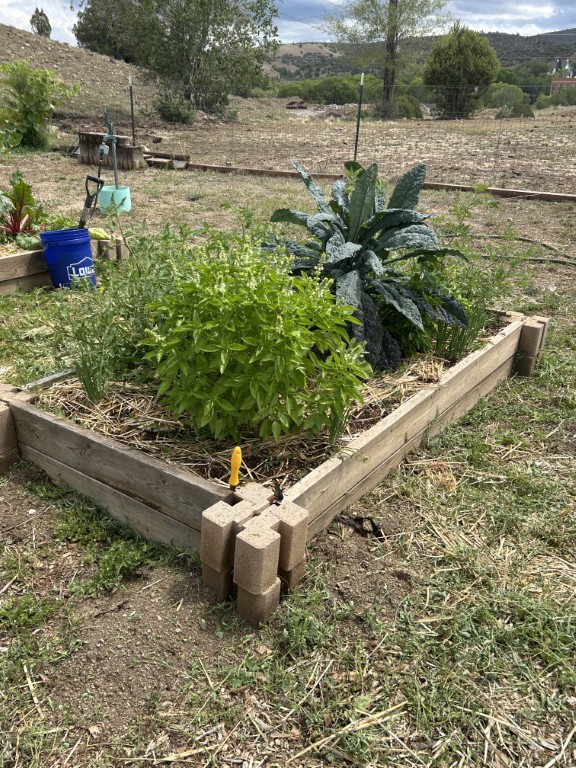
The Indigenous Food Team is collecting recipes to use all the garlic, kale, tomatoes, squash, peppers and fruit coming from the garden.
And the best part? Members come to the garden and bring their children and grandchildren. They are seeing where their food comes from — a small seed, lots of care, and then delicious meals. This isn’t just a garden; it is part of the community.
The vision for the future of the garden includes classes on gardening and preserving food, a Fall Gathering, and collaboration with the Tribe’s diabetes-education program. Want to be part of the fun? Donations can be made though Prescott Slow Food, a 501c3 charitable organization, or for information contact me at imfromok@yahoo.com.
Chef Molly Beverly is Prescott's leading creative food activist and teacher. Photos by Gary Beverly.


